
Troodos Village & Forest Park
The central hub of the region, Troodos Village is an excellent base for eco-travelers interested in sustainable mountain tourism. Surrounded by fragrant pine forests and cool high-altitude air, this area offers many hiking and nature trails that allow visitors to experience Cyprus’s biodiverse landscapes on foot. Collaborative initiatives such as the Troodos Geopark Programme bring together local businesses to promote geological heritage alongside environmental awareness, with restaurants, artisanal shops, and eco-guides educating visitors about the region’s ecological and cultural value.
Stay sustainably at ECO GLAMPING PALIOMYLOS, a glamping farm that combines low-impact accommodation with immersion in natural surroundings.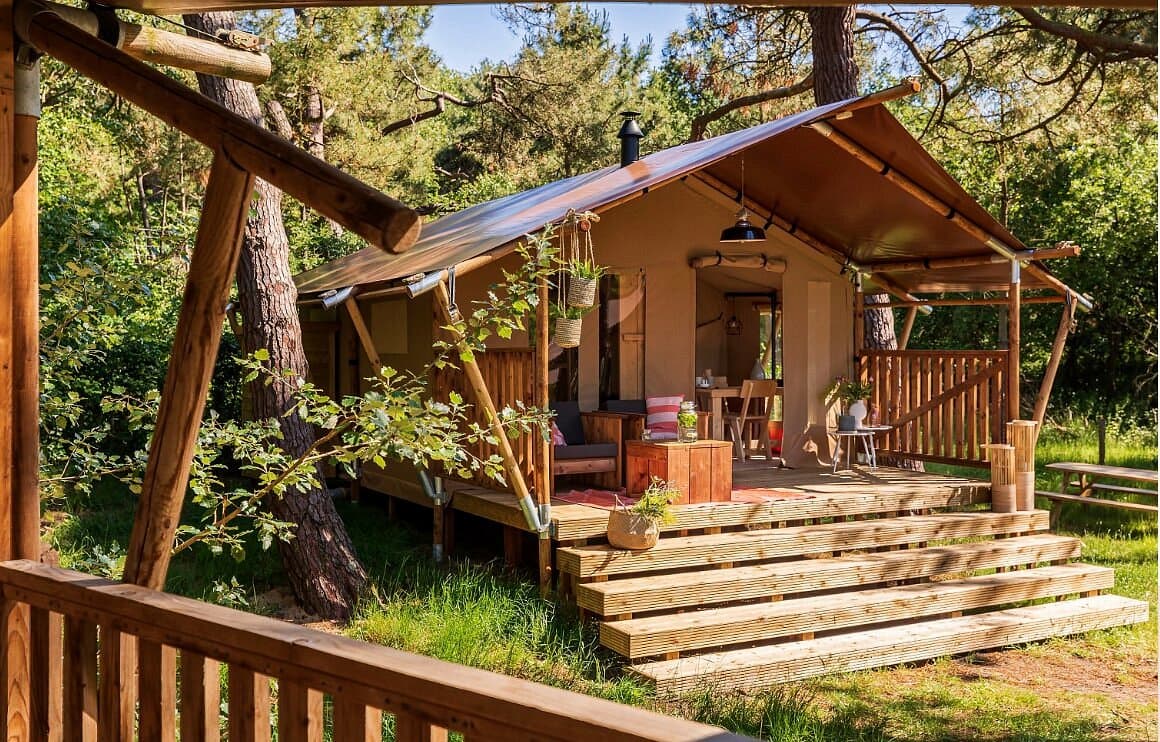
Practical tips here include following marked trails to protect undergrowth, avoiding single-use plastics, and timing hikes early in the morning to reduce disturbance to wildlife and enjoy cooler weather — especially ideal between late spring and early autumn when wildflowers and bird migration peaks.
Pano Platres & Caledonia Waterfalls
Platres is a scenic village on the southern slopes and a gateway to the famous Caledonia Waterfalls — one of Cyprus’s most compelling natural attractions for eco-travelers and hikers alike. The well-maintained trail through pine and cedar forests offers a low-impact way to explore lush biodiversity and cooler summer conditions compared with the coast.Eco-minded visitors can support sustainable businesses such as Le Vert Suites Platres, which emphasizes local sourcing and restful stays; and enjoy picnics with locally produced foods. The best time to visit is spring through early autumn when the trail is most accessible, waterfalls are flowing, and migratory birds are present. Bring reusable water, wear sturdy walking shoes, and stick to established paths to protect rare plant life.
Kakopetria & Solea Valley
At the heart of the Solea Valley, Kakopetria blends riverine ecosystems with traditional architecture. Its old town with stone-paved lanes invites slow travel experiences, while riverbanks and nearby paths offer gentle hikes ideal for minimizing carbon footprints.
For eco-conscious stays, book a restful night at Rifugio Retreat, where small-scale hospitality honors local materials and community values. 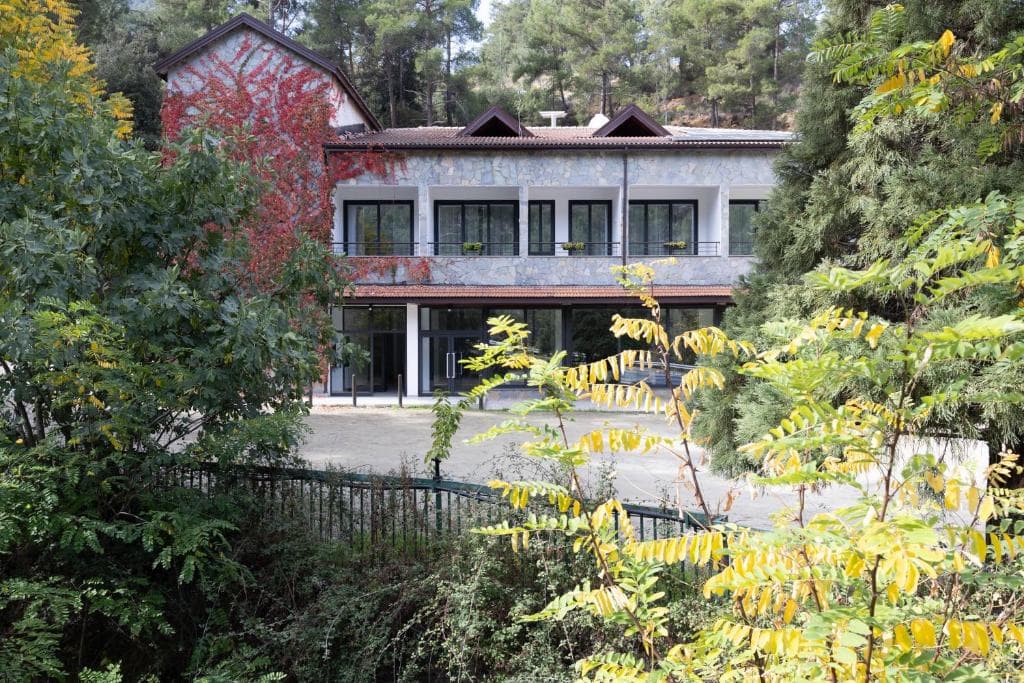
Visit from late spring to early autumn to enjoy the full realization of flora and fauna activity in the valley. Respect local life by keeping noise low, carrying out all waste, and supporting village cafés serving regional produce.
Pedoulas & Cultural Heritage Trails
Pedoulas, nestled high in the Marathasa Valley, is known for cherry orchards and panoramic views. Its position makes it especially rewarding in spring and early summer when cherry blossoms bring color and fragrance to the landscape.
Eco-travelers can engage with sustainable rural experiences such as guided nature walks and local craft exchanges supported by operators contributing directly to village economies. Staying at Aristotelio Boutique Hotel supports small enterprise while reducing environmental impact. 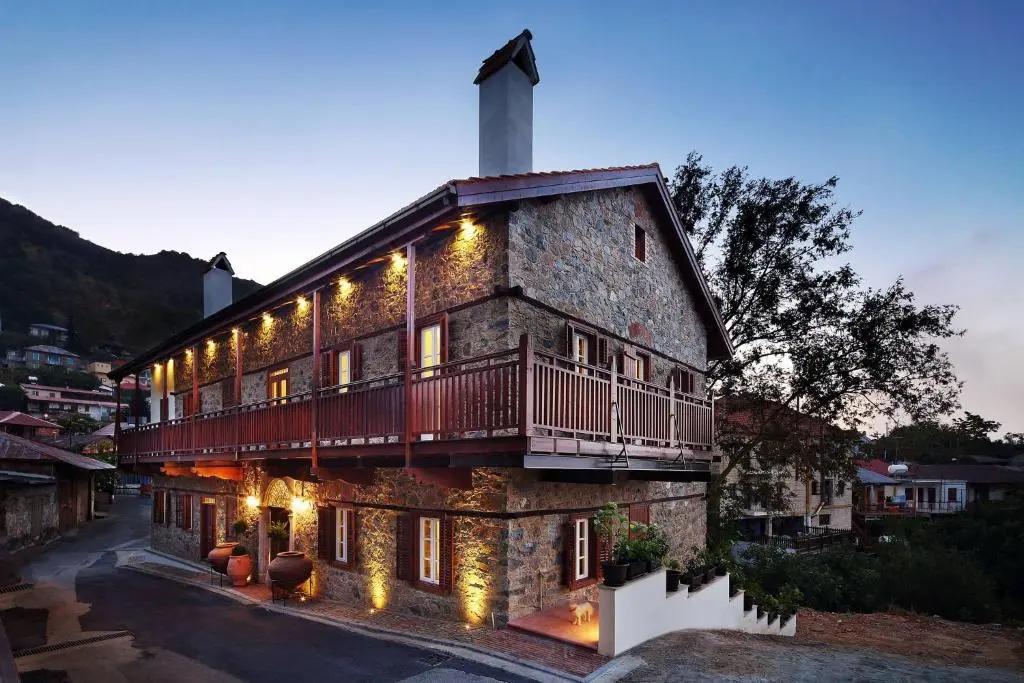
Sustainable steps here include choosing guided walks to learn about endemic species and local history, and timing your visit to coincide with seasonal festivals that celebrate slow living and heritage foodways.
Lofou & Traditional Agro-tourism
The hillside village of Lofou is a classic example of low-impact mountain tourism — its restored stone houses and wine traditions attract travelers who value cultural immersion and environmental respect.
Staying in Oinoessa Traditional Boutique Guest Houses Lofou places you within walking distance of vineyards and farm trails. 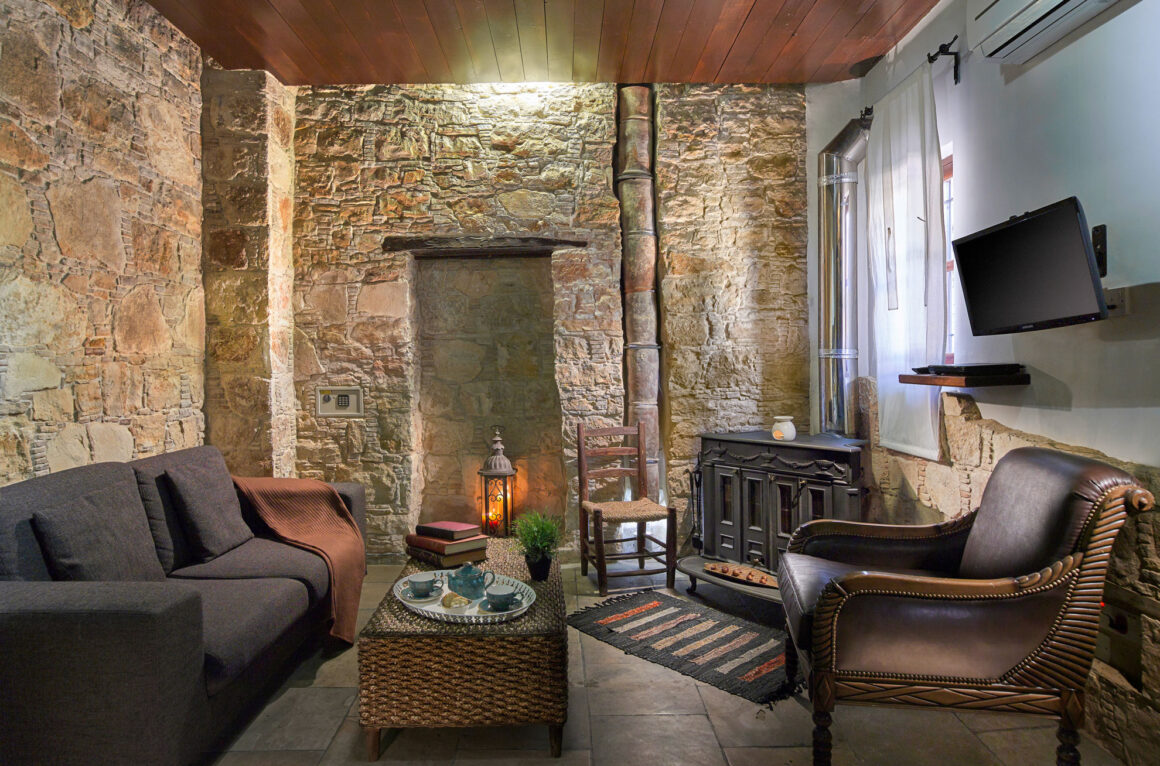
The late spring through autumn months are ideal for exploring vineyards on foot or bike, sampling organic wine, and engaging in slow tourism. While here, support local producers and enjoy meals at tavernas that emphasize farm-to-table fare.
Agros & Biodiversity Walks
Agros is widely appreciated for its rose cultivation and mountaintop gardens. Visiting during the spring rose season (May) offers a fragrant and culturally vibrant experience.
To reduce environmental impact, participate in village-led tours that emphasize traditional rosewater production and learn about local sustainable farming practices. Staying near Agros — for instance at Rodon Mount Hotel & Resort
— supports local hospitality that prioritizes regional sourcing. Practice leave-no-trace principles on local paths and support seasonal markets.
Eco-Friendly Tips for the Troodos Mountains
- Minimize car use: Where possible, use shared transfers or local buses to reach trailheads and villages. Respect local roadways and avoid driving off-trail.
- Pack reusable essentials: Bring refillable water, lightweight utensils, and eco products to reduce waste in natural spaces.
- Support circularity: Purchase handcrafts and artisanal foods directly from village producers and cooperatives rather than imported souvenirs.
- Respect wildlife: Observe fauna at a distance, especially during breeding seasons in spring and early summer, and avoid loud disturbances.
- Join conservation efforts: Contribute time or donations to trail care, reforestation days, or guided biodiversity education programs offered locally to deepen your connection to the region while leaving a positive footprint.